Teamwork on the Route: Team Building with Equines That Transforms
If you view a team technique a pasture entrance for the very first time, you can commonly detect who speaks for a living and who pays attention. The talker barrels through strategies and a clipboard. The listener lingers a step back, eyes on the equines, checking out the area without claiming a word. The herd notices both, and each steed makes a peaceful decision about whom to trust. That minute tells me far more regarding a group's behaviors than a complete early morning of slide decks.
I have spent the last decade leading teams via equine-assisted coaching and equine-assisted activities, from healthcare departments trying to smooth handoffs, to software program teams developing a product on a limited release cycle, to college team wore out by another tough year. Horses do not appreciate your task title. They appreciate your visibility, your quality, and whether your signals match your intent. That is why group building with steeds improves how individuals lead and adhere to. The lessons land in the body, not simply the brain, which is where actual adjustment sticks.
Why equines make powerful companions for teamwork
Horses are victim pets with nervous systems tuned to refined modifications. In a domestic setting, they still track heart prices, breathing, eye emphasis, and pose in their atmosphere. They are social, relational, and straightforward. When your team's interaction is muddled, the equines mirror it instantly. When your team comes into comprehensibility, the herd softens, breath decreases, ears flick toward you, and unexpectedly a thousand pounds of muscle steps with you, not against you.
I have viewed a seven-horse herd overlook a team that was bickering concerning that held the rope, after that attune like magnets when the group paused, taken a breath with each other, and decided on a shared aim. We did not include a trick. The humans came into alignment, and the equines replied to that reality. This is the essence of experiential knowing with horses. It bypasses long theoretical discussions and places actions under a mild yet consistent mirror.
Therapeutic horsemanship, usually used within broader equine-assisted solutions, has actually long offered people dealing with confidence, policy, and abilities of day-to-day living. For groups, we obtain that very same sensitivity and use it to team characteristics. The job can seem like equine-facilitated wellness when the emphasis is stress and anxiety and resilience, or like equine-assisted coaching when the aim is management and interaction. Either way, the herd's comments is instant and nonjudgmental.
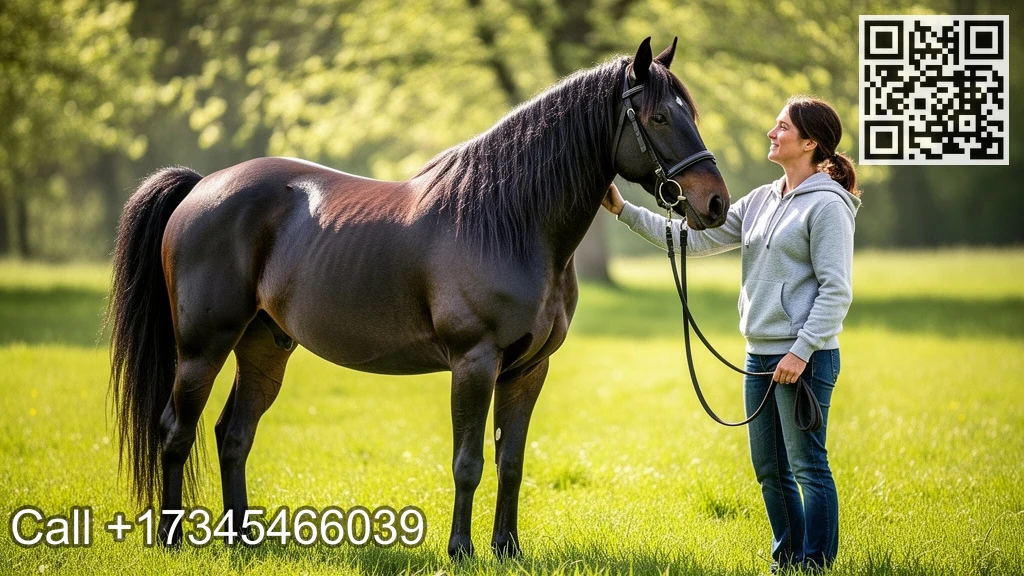
A day on the ranch: just how a session unfolds
Teams normally invest 2 and a fifty percent to four hours with us. The wonderful spot for meaningful adjustment kicks back 3 hours. Shorter than that, and people are simply heating up. Longer, and attention and energy begin to flag unless we intend breaks around the steeds' needs as well. A typical group is eight to twelve individuals. We can accommodate approximately 16 with a second facilitation team and an expanded herd.
Here is an uncomplicated flow that several groups find valuable:
- Arrival and security rundown, with time to clear up nerves and established intentions.
- Warm up with nonverbal link, no halters, learning to read the horses and each other.
- Paired or small-group obstacles, such as moving a steed with a pattern without touching.
- Debrief, mapping what collaborated with the steeds to current group projects.
- Integration, a brief technique individuals can reclaim to the workplace, and a clear close.
We do not ride during team structure unless there is a clear objective that asks for it and the team has appropriate experience. Ground-based equine-assisted tasks are extra comprehensive, more secure for mixed-ability teams, and extremely reliable for the abilities most companies want to build.
Safety, welfare, and authorization, for individuals and horses
A well-run program starts prior to any individual touches a lead rope. We match steeds to teams based on character and history. Each horse gets structured downtime, herd time, and regular bodywork as required. We cover the number of sessions per week, turn the herd, and track signs of anxiety. If a steed pins ears and swishes the tail repeatedly, we go back, readjust the strategy, or swap steeds. Welfare precedes. When equines feel risk-free and revered, the learning for humans deepens.
Human safety and security is nonnegotiable. Headgears are available for any activity that might increase danger, and closed-toe footwear are needed. We start with a briefing on just how equines see and move, where to stand, exactly how to touch, and what to do if an equine moves weight towards you. An equine professional stays inside the arena for every single exercise, and an instructor enjoys the people. If any person really feels overwhelmed, we stop. Consent issues for people too. Nobody is required to lead a steed or to speak in a debrief. Monitoring is a valid role.
What to bring, and what to anticipate in your body
Think trail, not boardroom. Dirt and weather condition are part of the setup. People show up differently when they can breathe outside air and see a horizon that is not a display. Your body will register the change. Breathing reduces. Shoulders go down. For some, feelings surface that have actually been tamped down during busy weeks. We include that without turning the afternoon into treatment. The point is to discover by doing, not to unspool individual histories.
A quick packaging note aids the day go efficiently:
- Closed-toe shoes with excellent step, no sandals.
- Layers you can move in, and a hat if the sunlight is strong.
- A canteen, we fill up on site.
- Sunscreen and bug spray as needed.
- A readiness to leave phones in a bag for a few hours.
We work in many climate. If warmth spikes, we shorten sector time and extend shade and water breaks. If cold snaps, we maintain individuals relocating and use the barn aisle for part of the session. Lightning shuts us down. We build a weather condition back-up date into every agreement to secure your team's investment.
What groups in fact find out, gauged in behavior
The ideal compliment I listen to is not that the day was enjoyable, though it frequently is. It is that 3 weeks later, something at the office obtained easier. As an example, an item group that can not make decisions without knotting for days currently determines the decider, invites input in a set time box, devotes, and steps. That change started when they understood that 3 individuals were grabbing the lead rope at the same time. The equine planted feet and tuned them out. When they picked a single leader and named roles, the steed strolled with them, light on the rope.
Another team, a healthcare facility system recovering from a harsh quarter, came tense and brittle. During an easy exercise asking a horse to tip on a system, they tried more challenging and harder, voices limited. Absolutely nothing. We inquired to pause and not do anything for one minute. Then we tried once more. The horse lifted an unguis and positioned it on the brink. Not magic, just nerves syncing in a way that enabled participation. That minute carried back to shift change, where they now build in sixty secs of silent prior to evaluating situations. Absence went down over the next 2 months. It was not just the steeds, naturally, however the method catalyzed a different tone.
Gains often tend to cluster in four areas. First, clarity and duty definition. Second, congruence in between words and nonverbal signals. Third, tolerance for uncertainty. Fourth, feedback hygiene, the means individuals provide and receive training course corrections. Equines are talented teachers in all four. If your intent and body signal disagree, a horse picks the body whenever. If you hint instead of make a decision, the horse waits you out. If you obtain aggravated and push, the steed might intensify, mirror your tension, or leave. The majority of teams see their behaviors come to life in those interactions and discover far better choices on the spot.
The facilitator's function, and what not to do
Good equine-facilitated training looks much less like a lecture and even more like a well-timed inquiry. The equines provide the core responses. Our task is to maintain every person secure, name what is taking place in clear language, and secure the discovering to your genuine job. I will ask, Whose job is it to determine now? Or What did your body do when the equine tipped better? Or Where does this vibrant program up on Tuesdays in the 10 a.m. Stand-up? If we go also rapid or layer on charming metaphors, the day falls down right into entertainment.
I likewise expect protective jokes and performative leadership. Numerous teams try to charm the equines and me at first. Jokes rate, however we do not conceal behind them. If somebody demands dominating a workout, I might switch their role to peaceful viewer for 10 minutes and invite an additional voice forward. Justness matters. So does humbleness. The horses appreciate both.
Adapting for different groups and needs
The framework flexes for different objectives. For beginning start-ups, rate and iteration dominate, so we design short, repeatable difficulties with quick debriefs to construct decision muscular tissue. For executive groups, we reduce to consider power and trust, after that ask the group to lead with less visible signs, occasionally no ropes whatsoever. For cross functional teams that rarely meet, we spend even more time on reading each other's baseline signals and mapping where misinterprets price time and goodwill.
Equine-assisted solutions can also sustain neurodiverse teams and individuals with terrific result. We run certain days for ADHD equine finding out support, developing frameworks that harness novelty and motion instead of combating them. Less complex guidelines, clear time limits, and physical jobs help interest and interaction. For people on the autism spectrum, especially in an autism equine finding out program, we produce foreseeable patterns, make use of aesthetic supports, and honor sensory requirements. No blasting songs, no scented hand sanitizer, and no pressure to make eye contact, with equines or people. Alternative treatment for sensory challenges, which includes work with appearances, stress, and rhythm, sets normally with the barn setting, supplied we move gradually and with consent.
Anxiety assistance with steeds can look like micro methods, such as lengthening exhale while positioning a hand on a cozy shoulder. This is part of somatic healing with equines, not as a cure, however as a way to experience regulation in context. People frequently entrust to a really felt sense of what tranquility authority implies in their own bodies, which is better than the expression itself.
When groups include both neurotypical and neurodivergent participants, the horses assist equalize. Loud charm does not immediately relocate a mare. Clear, type intent does. The area, rather literally, incentives comprehensive leadership.
Cost, logistics, and selecting a provider
Practical issues influence end results. For a half day with 2 facilitators and a secure herd, expect to invest an array from 2,500 to 6,000 dollars for a standard group, depending upon region, facility prices, and personalization. A complete day can range from 4,500 to 10,000 bucks. Covert costs may include transport, catering, and insurance policy riders. The majority of suppliers carry their own obligation coverage and require your team to sign launches. Ask to see certificates.
Vet a program with the same treatment you would certainly a technical supplier. Inquire about equine well-being plans, facilitator training, emergency situation methods, and how they customize sessions to objectives. Search for accreditations or substantial experience in healing horsemanship or equine-assisted coaching. Solid programs welcome viewers, clarify why they select specific horses, and can call times they have stated no to a client ask for safety or ethics.
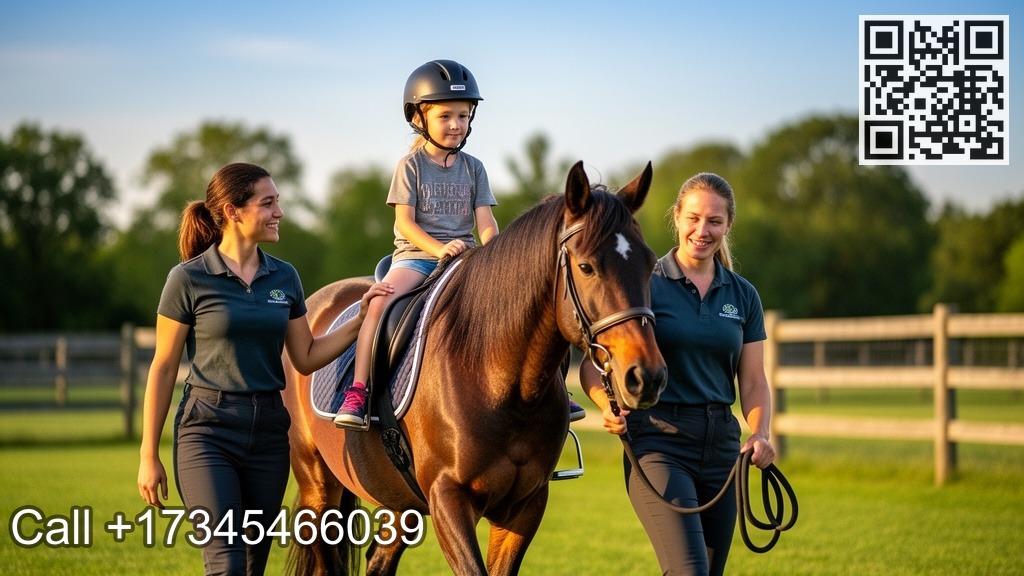
Group size need to match the number of equines and facilitators. One facilitator can safely address 6 to 8 individuals if the workouts remain straightforward. Larger groups need more staff. Ask just how they take care of weather, whether they have a protected arena, and just how they check both equine and human fatigue. A program that extols running back-to-back sessions without a break for the equines is one to avoid.
Common exercises, and what they educate without stating so
We rotate tasks to fit needs, but a few staples appear typically because they disclose different truths for every group. Leading free asks a person or set to welcome a horse to stroll, transform, and quit with no physical link. The space between need and quality reveals promptly. Challenge Negotiation establishes a group a path of posts, barrels, and cones, with constraints that need preparation, role project, and peaceful partnership. The classic Stroll the Line, a skinny passage with mild diversions on each side, highlights just how teams handle emphasis amid noise.
We do not instruct steed techniques. The horse's choice is central. If a horse claims no, we pay attention and obtain curious. Is our request uncertain? Is the equine unpleasant? Is the environment also disorderly? Those inquiries, asked with regard, become a team's habit back at the workplace. As opposed to pushing with resistance, they resource it and determine if the plan or the ask requirements to change.
When this work is not the best fit
Some teams desire a fast dopamine hit after a harsh quarter. They wish for a novelty day that bonds individuals through laughter and adrenaline. There is absolutely nothing incorrect with an outing and lawn games. The ranch can host that as well. However equine-facilitated mentoring works much better for groups willing to check out how they appear with each other. If a society penalizes susceptability, or if elderly leaders will certainly not model knowing, the horses will certainly still be kind, but the day might skim the surface.
Acute trauma, unattended compound usage, or fresh problems that need arbitration sit outside the extent of team programs. Those deserve professional support. Equine-assisted services are broad, and many barns provide psychotherapy with licensed clinicians. Mixing layouts without quality obscures ethical lines. When unsure, we refer out or construct a phased strategy with appropriate professionals.
Stories from the rail, and what changed after
A regional building and construction company brought twelve managers after a spike in safety and security cases. Their culture prized speed and freedom. In the sector, they divided into 3 teams to direct a gelding via an L-shaped pattern. The fastest team commemorated after making it through in seconds, however they had actually crowded the equine's hip and surprised him twice. An additional team moved slower and never ever raised a voice. Their gelding decreased his head and breathed with them. During the debrief, one manager who had prided himself on hard talk confessed he had mistaken compliance for security. Over the following quarter, they transformed exactly how they briefed staffs. Occurrence records https://www.hhooves.com/mountedmovement stopped by a third. They credited lots of factors, from weather condition to staffing, yet the modification in tone showed up on website visits.
A nonprofit leadership group included quiet tension. Their executive director, brilliant and kind, had a tendency to save individuals from hard conversations. We set up a reduced bridge and asked the director to lead a mare beneath it while the group observed in silence. The mare balked. The director, smiling, calmed and tried to coax. 5 mins passed. We asked, What would certainly the mare need to feel your boundary? The supervisor straightened, square shoulders, mild hand. No added quantity. The mare tipped under the bridge in two strides. Later on that week, the director held a firm, respectful line on job scope creep. The team chuckled in the comply with up telephone call, It seemed like walking under the bridge.
Bringing it back to the office, with basic practices
Insight glows for a day, then e-mails accumulate and muscle memory wins. We bake transfer into the style. Each group entrusts to two or three micro techniques that fit the means they work. Examples consist of a 90 second resolve before vital conferences, a visible card that names the decider for each program product, and one round of body-based check in at the start of a hard conversation, two words just, no tales. People that roll their eyes in the beginning frequently come to be the technique's fiercest protectors when they see meetings end earlier and partnerships battle royal less.
Some teams arrange quarterly refresher courses. That can be a short on-site workshop without steeds, revisiting principles with concrete casework, or another half day at the cattle ranch to evaluate brand-new patterns. You do not require continuous steed time to make the discovering stick. You require repeating in the atmospheres where you live and lead.
For instructors and medical professionals, a note on extent and collaboration
If your job mixes right into take care of individuals, take into consideration partnering with professionals learnt therapeutic horsemanship and equine-facilitated wellness. The overlap with group structure is genuine, particularly when a college personnel brings students later on for an integrated program. Clear functions matter. Coaches concentrate on performance and partnerships at the office, while therapists overview healing. Somatic recovery with horses may show up in both, but the framework and objectives need to be called so individuals understand what they are doing and why.
Programs designed for ADHD equine discovering assistance or an autism equine discovering program call for predictable structure and sensorially mindful setups. These enhance team sessions too. Most companies have neurodiversity in the mix, named or unnamed. Peaceful spaces, simple instructions, and authorization to go back scot-free make much better understanding for everyone.
What makes makeover stick
The word change obtains sprayed, but I use it moderately. Real change appears like much less dramatization and even more option. Individuals capture themselves before old patterns run them. They soften where hardness used to live, and they firm up where passivity dipped into animosity. They trust themselves a little bit much more, and each other too.
Horses aid due to the fact that they reply to what exists, not to the tale concerning what exists. That emphasis constructs stability in little increments. When a group really feels in their bones what clear objective, clean borders, and shared attention can do, they bring that design template back into rooms where deliverables and target dates wait. They keep in mind the weight of a lead rope going light. They remember a mare who picked to stroll next to them when they became coinciding. They remember that management is not volume, it is a grounded invitation.
Team structure with horses will not take care of every little thing. It will not reword a damaged payment strategy or replace a missing item approach. It will, nevertheless, offer your individuals a dazzling, personified experience of exactly how to interact with even more grace and much less waste. That is worth a morning in dusty boots.
If you make a decision to attempt it, pick a program that values both human and equine well-being, ask for clear goals, and come all set to practice. The herd will certainly satisfy you where you are. And if you pay attention very closely, they will show you a much better means to move, with each other, down the trail.
Happy Hooves Wellness
9177 Gross Rd, Dexter, MI 48130
+17345466039
https://www.hhooves.com/